

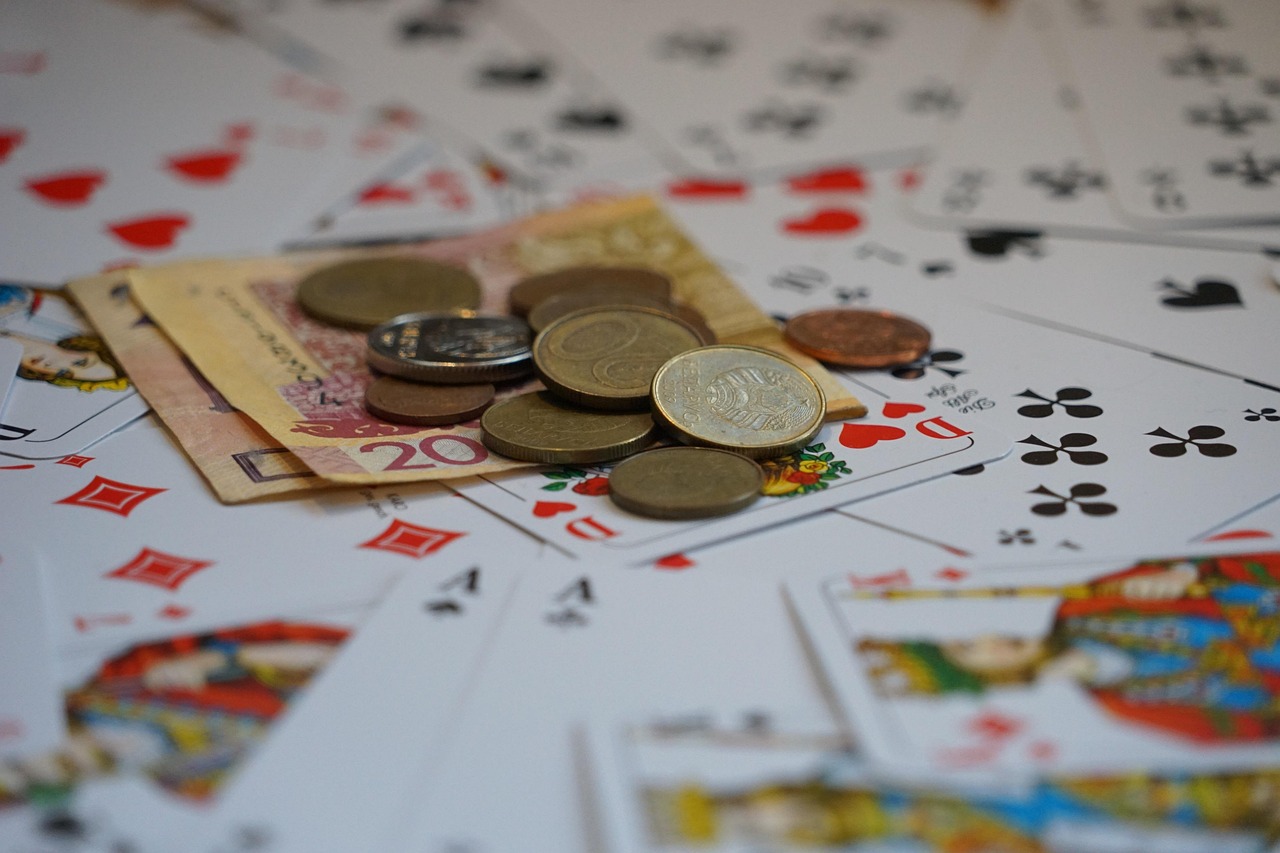
You’ve seen the flashy ads, the streamers hitting massive multipliers, and the endless promises of easy money. But behind the neon glow of online casinos lies a complex ecosystem of math, psychology, and strategy. Whether you’re spinning the reels of a video slot, grinding out a poker tournament, or placing a calculated bet on a football match, the difference between a fun hobby and a frustrating drain on your bank account often comes down to understanding how these games actually work. This isn’t about banning fun or pretending you’ll become a professional gambler overnight. It’s about cutting through the hype and looking at the mechanics, the odds, and the practical habits that separate informed players from the rest.
Slots: The Math Behind the Flashing Lights
Walk into any online casino, and slots will dominate the lobby. They’re simple, visually engaging, and require zero skill—which is precisely why they’re so dangerous for your wallet. The core of every slot machine, digital or physical, is the Return to Player (RTP) percentage. This figure represents the theoretical amount of all wagered money a game will pay back to players over time. A typical online slot has an RTP between 94% and 97%. That sounds decent, but here’s the reality: a 96% RTP means the casino keeps 4% of every dollar wagered, on average, across millions of spins. In the short term, variance is wild. You might hit a 5,000x multiplier on your first spin, or you might lose 200 spins in a row. dàn đề is a solid starting point for anyone new to this.
Modern video slots also use volatility to shape the experience. High-volatility slots (like many Megaways titles) pay out less frequently but offer the chance for huge wins. Low-volatility slots pay small amounts often, stretching your bankroll but rarely delivering a life-changing jackpot. Understanding this distinction is crucial. If you have a $50 bankroll and want to play for an hour, a low-volatility slot with a 96.5% RTP and smaller bet sizes is a smarter choice than a high-volatility game that can eat your balance in ten minutes. Also, ignore the myth of “due” machines—each spin is independent, governed by a random number generator (RNG) that has no memory.
Poker: Where Skill Actually Matters
Unlike slots, poker is a game of decisions, not chance alone. Yes, luck governs the cards you’re dealt, but over thousands of hands, skill wins out. The key is understanding expected value (EV)—the average outcome of a decision if you made it repeatedly. A common beginner mistake is playing too many hands. In Texas Hold’em, the top 15-20% of starting hands (pairs, AK, AQ, etc.) are where most of your profit comes from. Playing junk like 7-2 offsuit because “it’s my lucky hand” is a fast track to losing.
Another critical concept is position. Acting last gives you more information. If you’re on the button (dealer position), you can see what everyone else does before you act, allowing you to steal blinds or control the pot size. Conversely, playing out of position (early seats) requires tighter, more cautious play. If you’re new to online poker, start with micro-stakes cash games or low buy-in sit-and-gos. Track your results over at least 10,000 hands before judging your ability—variance in poker is brutal. A winning player can easily have a losing month, and a losing player can run hot for weeks.
Bankroll management is non-negotiable. A standard rule for cash games is to have at least 20 buy-ins for your limit. If you play $0.10/$0.25 no-limit hold’em, your bankroll should be around $500. For tournaments, 50-100 buy-ins is safer due to higher variance. Breaking these rules is the quickest way to go broke, even if you’re the best player at the table.
Sports Betting: Lines, Vig, and Value
Sports betting has exploded in popularity, but most casual bettors don’t understand the vigorish (vig)—the commission the sportsbook charges. If you bet $110 to win $100 on a standard -110 point spread, that extra $10 is the vig. The bookmaker’s theoretical hold is around 4.5% on that bet, meaning you need to win 52.4% of your bets just to break even. That’s a tough hurdle. Successful bettors look for value: when the odds offered are higher than the true probability of the outcome. For example, if you believe a team has a 50% chance to win, but the sportsbook offers +120 (implied probability of 45.5%), that’s a positive EV bet.
Line shopping is another edge. Different sportsbooks often have slightly different odds on the same game. Betting the best line across multiple books can add 1-2% to your long-term return, which is massive over hundreds of bets. Also, avoid parlay bets unless you’re chasing a lottery-style payout. Correlated parlays (where outcomes are linked) are usually a trap, as the book builds in a larger margin. If you’re serious about betting, treat it like investing—track every wager, analyze your results, and never bet based on emotion or loyalty to a team.
Here’s a quick checklist for any bet:
- Is the price fair? Compare against your own probability estimate.
- Is there a better line elsewhere? Check at least three books.
- Are you betting within your bankroll? A common rule is 1-2% of your total bankroll per bet.
- Is this a reactive bet? Chasing losses or betting on your favorite team without analysis rarely ends well.
The Psychology of Gambling: Why We Ignore the Math
Humans are terrible at understanding randomness. We see patterns in noise, remember wins more vividly than losses, and fall prey to the gambler’s fallacy—believing that a slot machine is “due” for a payout or that a roulette wheel will land on red after five blacks. This cognitive bias is exploited by game designers. Near-misses (two jackpot symbols plus one blank) trigger the same dopamine response as actual wins, keeping you spinning.
Then there’s loss chasing. After a big loss, the brain craves the relief of winning it back, leading to larger bets and worse decisions. The house edge doesn’t care about your feelings. To stay in control, set strict session limits—both time and money. Use the deposit limits and reality checks that most regulated online casinos offer. If you feel anxious, angry, or desperate while playing, stop. No strategy can overcome a loss of discipline.
Bankroll Management: The Unsexy Secret to Longevity
No matter which game you play, bankroll management is the single most important factor in lasting more than a few weeks. For slots, a common rule is to have at least 100 bets worth of bankroll. If your average spin is $1, you need $100 to weather a downswing. For poker cash games, 20 buy-ins as mentioned. For sports betting, 1-2% of your total bankroll per bet. These numbers aren’t about being overly cautious—they’re about surviving variance so your skill or edge can manifest.
Consider this: If you flip a coin 100 times, getting 60 heads isn’t unusual. Similarly, a 55% winning bettor can easily lose six bets in a row. Without a bankroll to absorb those streaks, you’ll be forced to stop or, worse, increase stakes recklessly. Also, separate your gambling bankroll from your living expenses. Never use rent money, savings, or credit cards. Treat it as entertainment spending, like going to a movie or concert.
Final Thoughts: Play Smarter, Not Harder
iGaming can be a thrilling and intellectually stimulating pastime when approached with the right mindset. Slots offer pure, no-skill entertainment—so play them for fun, not income. Poker rewards study, patience, and emotional control. Sports betting, when treated like investing, can be profitable for a disciplined few, but it’s a grind. The common thread is that the house always has an edge in the long run, except in skill games where you can legitimately be the edge. Your job is to minimize the cost of that edge, maximize your decisions, and know when to walk away. Next time you log in, skip the hype. Check the RTP, set a loss limit, and remember that the flashing lights are designed to make you forget the math. You don’t have to.


Comments